Editorial Team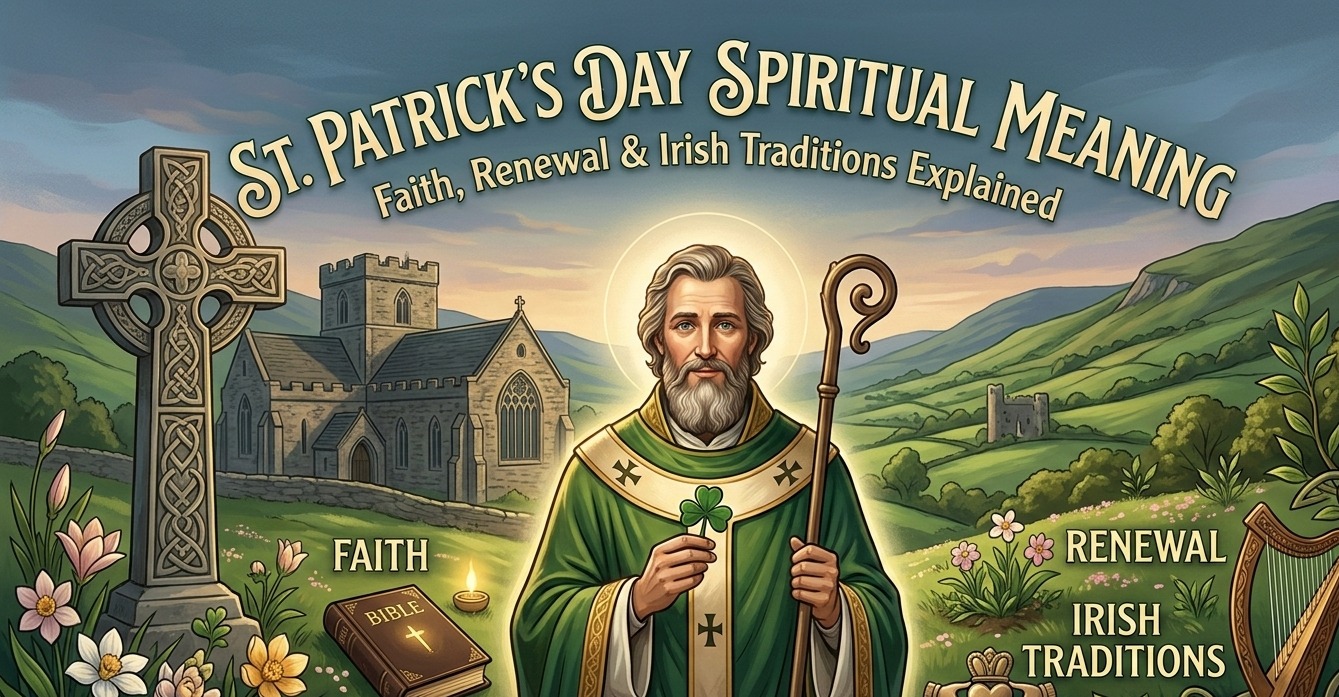
St. Patrick’s Day, celebrated every March 17, blends vibrant parades, green attire, and shamrocks with deeper spiritual roots tied to faith, renewal, and ancient Irish traditions. Far beyond the beer and leprechauns, this holiday honors St. Patrick, Ireland’s patron saint, whose life embodied Christian conversion, personal transformation, and cultural fusion. Let’s explore its profound spiritual significance and how it continues to inspire millions worldwide.
The Life of St. Patrick: From Slave to Saint
Born around 385 AD in Roman Britain (likely Scotland or Wales), Patrick wasn’t Irish by birth. Kidnapped at 16 by Irish raiders, he spent six years as a shepherd slave, enduring isolation and hardship. This period sparked his spiritual awakening—he turned to prayer, finding solace in Christianity amid the pagan landscapes of Ireland.
Escaping to Gaul (modern France), Patrick studied under monks and felt a divine calling to return to Ireland as a missionary. His Confessio autobiography reveals a man driven by faith, forgiving his captors and baptizing thousands. Spiritually, Patrick’s story symbolizes renewal: from bondage to freedom, paganism to Christianity, symbolizing God’s redemptive power.
Core Spiritual Themes: Faith, Renewal, and the Trinity
At its heart, St. Patrick’s Day celebrates faith as unshakeable trust in divine purpose. Patrick used the shamrock—a three-leaf clover—to explain the Holy Trinity (Father, Son, Holy Spirit) to pagan chieftains, making complex theology accessible. This tradition endures, reminding celebrants of unity in diversity.
Renewal shines through Patrick’s triumph over Ireland’s druidic rituals. He confronted High King Lóegaire at Tara, lighting a Paschal fire symbolizing Christ’s resurrection—defying pagan bans and igniting spiritual revival. Today, this evokes personal renewal: shedding old habits for spiritual growth, much like spring’s emergence after winter.
Irish folklore weaves in Celtic spirituality, blending pre-Christian reverence for nature (e.g., sacred wells and evergreens) with Christianity. Patrick’s miracles, like driving “snakes” (symbolizing evil) from Ireland, represent purification and new beginnings.
Irish Traditions with Spiritual Depth
St. Patrick’s Day rituals carry layered meanings:
- Shamrock and Green: The shamrock teaches Trinitarian faith; green evokes Ireland’s lush landscapes and hope’s renewal.
- Wearing of the Green: A 17th-century protest against anti-Catholic laws, it now signifies pride in resilient faith.
- Parades and Bonfires: Echo ancient Celtic fire festivals (like Imbolc) repurposed for Christian evangelism, symbolizing light over darkness.
- Pinching Non-Wearers: Playful enforcement of communal identity, rooted in solidarity during persecution.
- Corned Beef and Cabbage: A modern American twist on Irish bacon and cabbage, shared in feasts fostering fellowship and gratitude.
In Ireland, churches hold masses, and holy wells are visited for blessings—quiet nods to Patrick’s enduring legacy.
Modern Celebrations and Global Spiritual Impact
From Dublin’s massive parades to Chicago’s river dyeing, St. Patrick’s Day has globalized, drawing 30+ million U.S. participants yearly. Yet amid the festivity, spiritual observances persist: vigils, storytelling of Patrick’s Breastplate prayer (“Christ with me, Christ before me”), and reflections on migration and identity.
For non-Irish celebrants, it invites universal themes—faith amid trials, renewal through forgiveness. In 2026, as the world faces uncertainties, Patrick’s message resonates: spiritual transformation is possible anywhere.
St. Patrick’s Day isn’t just a party; it’s a call to deeper faith and renewal, wrapped in Irish charm.