Akki Yadav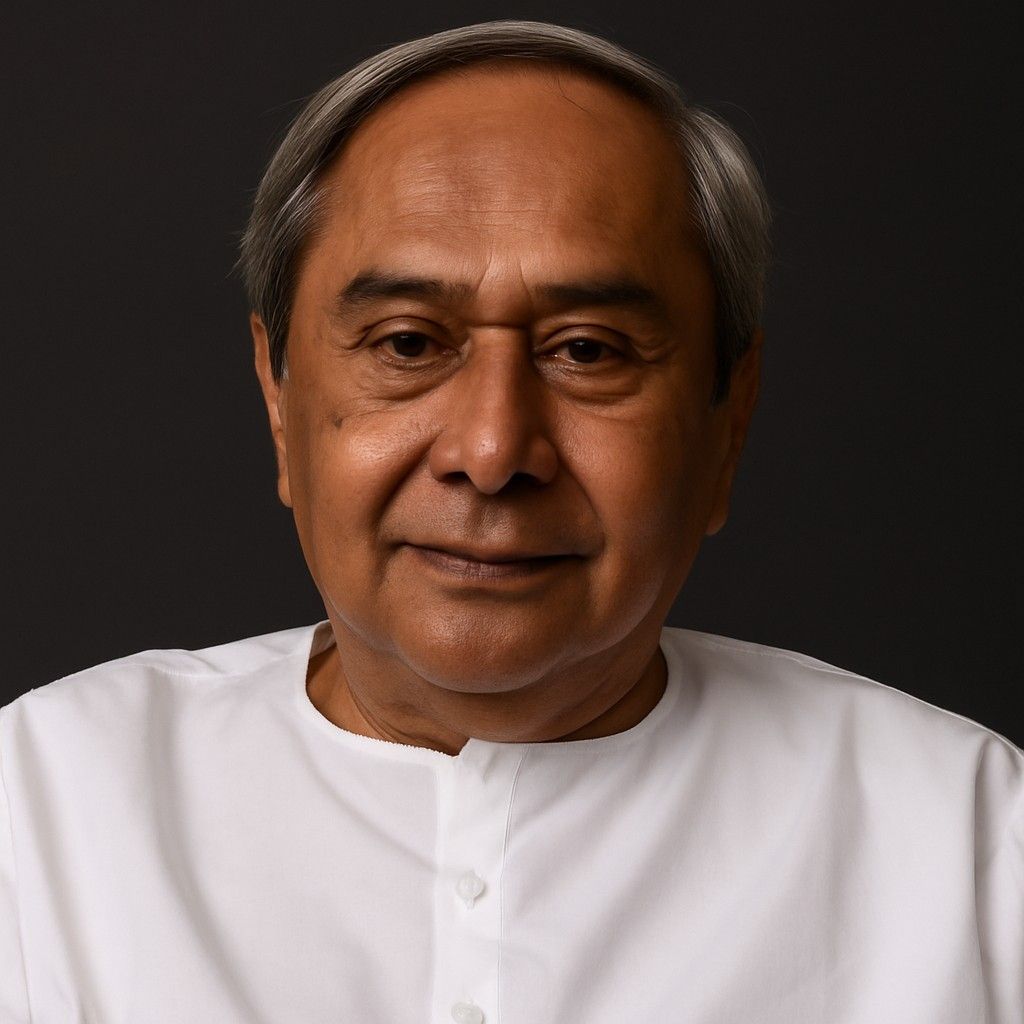
Introduction: The Enigmatic Architect of Odisha
Imagine shepherding a state for nearly a quarter of a century – that’s longer than many nations get to sample various presidents and prime ministers! I’m talking about Naveen Patnaik, the former Chief Minister of Odisha. Son of the legendary Biju Patnaik, he somehow managed to carve out his own, arguably even more enduring, legacy. It’s quite the fascinating study in political longevity.
He was often subtly mocked as “Pappu,” a term usually reserved for dynastic heirs perceived as lacking substance. Yet, Patnaik defied expectations, maintaining a remarkably durable, if often understated, leadership. Which makes the recent news all the more seismic: His historic defeat in the 2024 elections ended a reign that many believed would be eternal. What’s next for the man who, for so long, seemed politically invincible? A question worth pondering, indeed.
The Unlikely Politician: From Doon School to Dynasty
A Childhood Far from Politics:
Naveen Patnaik was born into a powerful political family, yet his early life was remarkably detached from the hurly-burly of Indian politics. His education at elite institutions like Welham and Doon School placed him in proximity to the Gandhis and other scions of Indian power, but his interests seemed to lie elsewhere. History, painting, athletics – these were his passions. He spent years abroad, cultivating a life far removed from the machinations of political parties and electoral campaigns. It seemed that a different destiny was written for him.
A Reluctant Entry:
The death of his father, Biju Patnaik, in 1997 was the catalyst that dramatically altered his course. An unexpected call to duty led him to contest and win the Aska bye-election, plunging him headfirst into the political fray. He founded the Biju Janata Dal (BJD), a political party named in honor of his legendary father, effectively inheriting his political mantle. What followed was a swift ascent: Union Minister, and then, remarkably, Chief Minister of Odisha by 2000. One can’t help but wonder, did he ever truly embrace this path, or was he forever driven by a sense of filial obligation?
The Reign of the “Silent CM”: Two Decades of Power and Progress
Building a Modern Odisha:
Patnaik’s early focus was on tackling the twin evils of corruption and poverty, instituting new transparency programs aimed at cleaning up governance. He launched signature pro-people policies: subsidized rice schemes ensuring food security, the KALIA scheme providing financial assistance to farmers, and the Biju Swasthya Jojana, a comprehensive health insurance program. He championed the empowerment of women through self-help groups (SHGs), fostering economic independence at the grassroots level. Perhaps most notably, he transformed Odisha from a state chronically vulnerable to cyclones into a model of efficient disaster management, earning international acclaim. Vision 2036 encapsulated his ambition to make Odisha a national leader, with a focus on youth, women, farmers, and emerging technologies like AI and semiconductor manufacturing. Ambitious goals, indeed.
Political Maneuvers:
His political journey was marked by shrewd maneuvers. The early alliance with the BJP provided him with crucial support, but the dramatic split in 2009, triggered by the Kandhamal riots, showcased his political independence and secular credentials. He consistently secured re-election, becoming one of India’s longest-serving Chief Ministers, a testament to his enduring popularity and political acumen. One wonders, though, if these alliances and calculated moves ultimately contributed to the erosion of his support base in the long run.
Echoes of Discontent: The Cracks in the Legacy
The Language Barrier:
A persistent criticism, and one that perhaps unfairly dogged him throughout his career, was Patnaik’s struggle with fluent Odia. He often delivered speeches written in Roman script, a convenient target for his opponents seeking to portray him as an outsider, disconnected from the cultural fabric of the state. Was this a genuine handicap, or merely a superficial issue amplified for political gain?
Allegations and Reshuffles:
His administration faced allegations of corruption, prompting periodic cabinet reshuffles. The 2022 reshuffle, in which 11 ministers were dropped amidst allegations of corruption, criminal links, and poor performance, raised eyebrows. Was this a proactive attempt at cleaning up the government’s image, or simply a damage control exercise in response to mounting public pressure? High-profile cases, such as the Kalahandi teacher murder, the Nayagarh girl murder, irregularities in the midday meal scheme, and the tragic hospital fire, cast a shadow over his governance.
The Paradox of Development:
Critics pointed to the fact that, despite 24 years in power, Odisha still lagged behind in certain human development metrics. They questioned whether the benefits of his policies had truly reached the most vulnerable sections of society. Supporters, however, countered that the state was far worse off before his arrival, and that his policies had undeniably lifted millions out of poverty. A classic debate, highlighting the complexities of measuring progress and the inherent subjectivity of political narratives.
The 2024 Earthquake: A Shocking End to an Era
From “Most Popular” to Defeat:
How did a leader with consistently astounding approval ratings – reportedly over 70% in his state as recently as early 2024 – face such a decisive electoral defeat? The numbers tell a stark story: a historic setback for the BJD in both the Assembly and Lok Sabha elections. Patnaik himself suffered a personal defeat in Kantabanji, his first ever. A stunning reversal of fortune, indeed.
Unpacking the Upset:
Several factors likely contributed to this unexpected outcome. Anti-incumbency, the fatigue that inevitably sets in after a long period in power, undoubtedly played a role. The “Pandian Factor,” referring to the perceived influence of V.K. Pandian, a former bureaucrat, in governance and party affairs, seems to have generated significant public resentment. The BJP skillfully exploited this sentiment, playing on Odia sub-nationalism and highlighting Pandian’s non-Odia origin. Internal whispers suggest that Patnaik’s overconfidence and detachment from growing public disenchantment may have also contributed to the downfall. A complex interplay of forces, demonstrating the fickleness of the electorate and the ever-present danger of taking public support for granted.
Naveen 2.0: The Opposition Leader’s Bold New Chapter
A “Renewed Vigor” at 78:
Despite the setback, Naveen Patnaik shows no signs of slowing down. At 78, he has vowed to serve Odisha “till the end of his life.” He has embraced his new role as Leader of the Opposition with apparent enthusiasm, far from fading quietly into the background.
He’s already taking the fight to the BJP, accusing them of delivering a “double engine, double blow” on prices and a “double betrayal” on promises. The BJD plans to challenge the 2024 poll results in the High Court, signaling a determination to contest the outcome. And it’s important to remember that despite the defeat, the BJD still commands a strong vote share, indicating a resilient base of support.
The Million-Dollar Question: Succession:
Perhaps the most pressing question is that of succession. Patnaik has remained firm: no familial aspirants, and he has dismissed speculation about Pandian as “falsehood.” He insists that the people will decide. But analysts remain skeptical: Can the BJD survive without the personal charisma of Naveen Patnaik? Will it fragment into competing factions?
The Road Ahead:
The upcoming Panchayat elections in 2027 will provide the first real test of the BJD’s new strategy and its ability to mobilize support without Patnaik as Chief Minister. The next Assembly elections in 2029 will be even more crucial: Can Patnaik lead a comeback, defying the odds once again? The BJD’s stated ambition is to “serve Odisha for the next century,” but what role will its founding father play in that future? These are questions that will shape the political landscape of Odisha for years to come.
Conclusion: A Political Icon’s Next Act
Naveen Patnaik’s journey is nothing short of extraordinary: from a reluctant heir to a long-reigning Chief Minister, and now, a determined opposition leader. His impact on Odisha’s development and political landscape is undeniable, even his detractors would concede that much.
The future of Odisha, and the Biju Janata Dal, hinges on the next moves of this quiet yet powerful politician. What will be Naveen Patnaik’s final, indelible chapter? Only time, and the unpredictable currents of Indian politics, will tell. But one thing is certain: his story is far from over.