Akki Yadav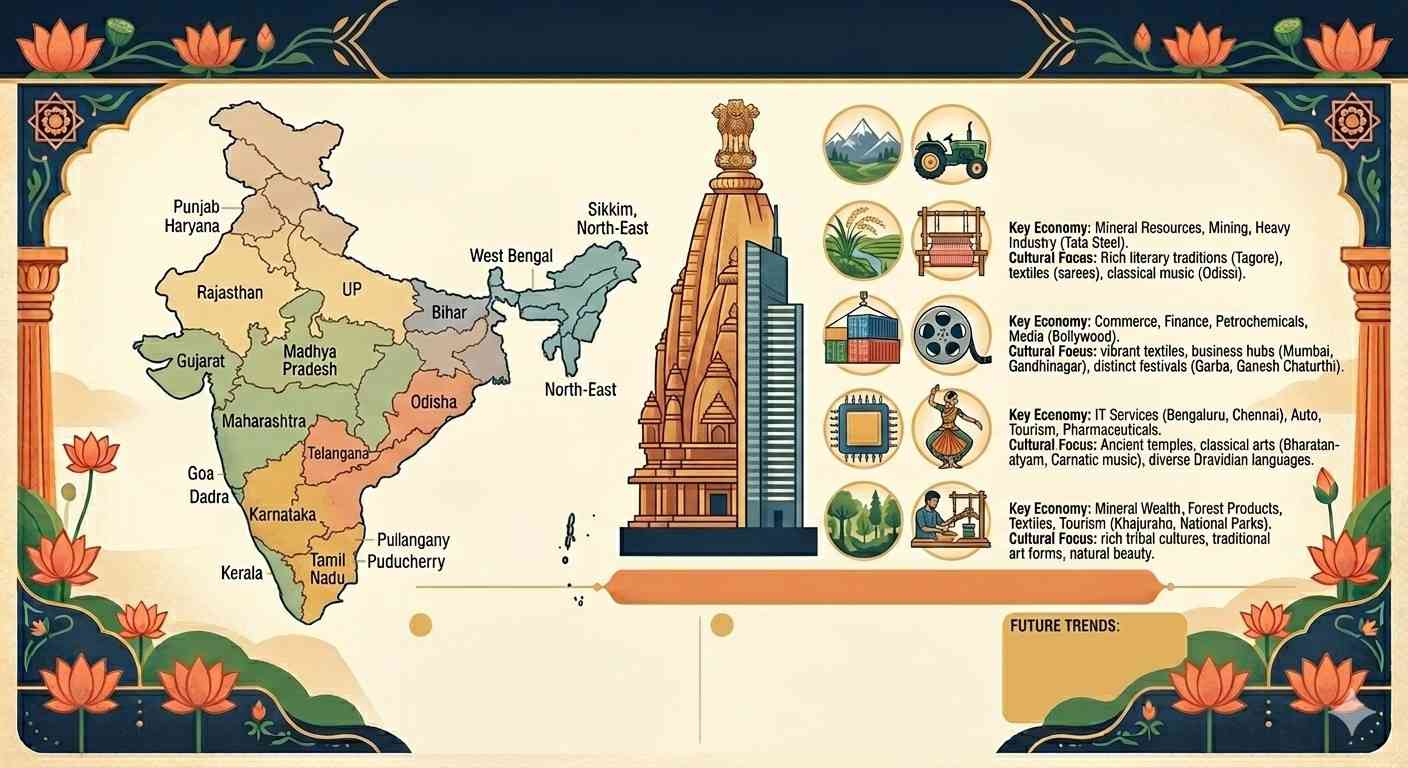
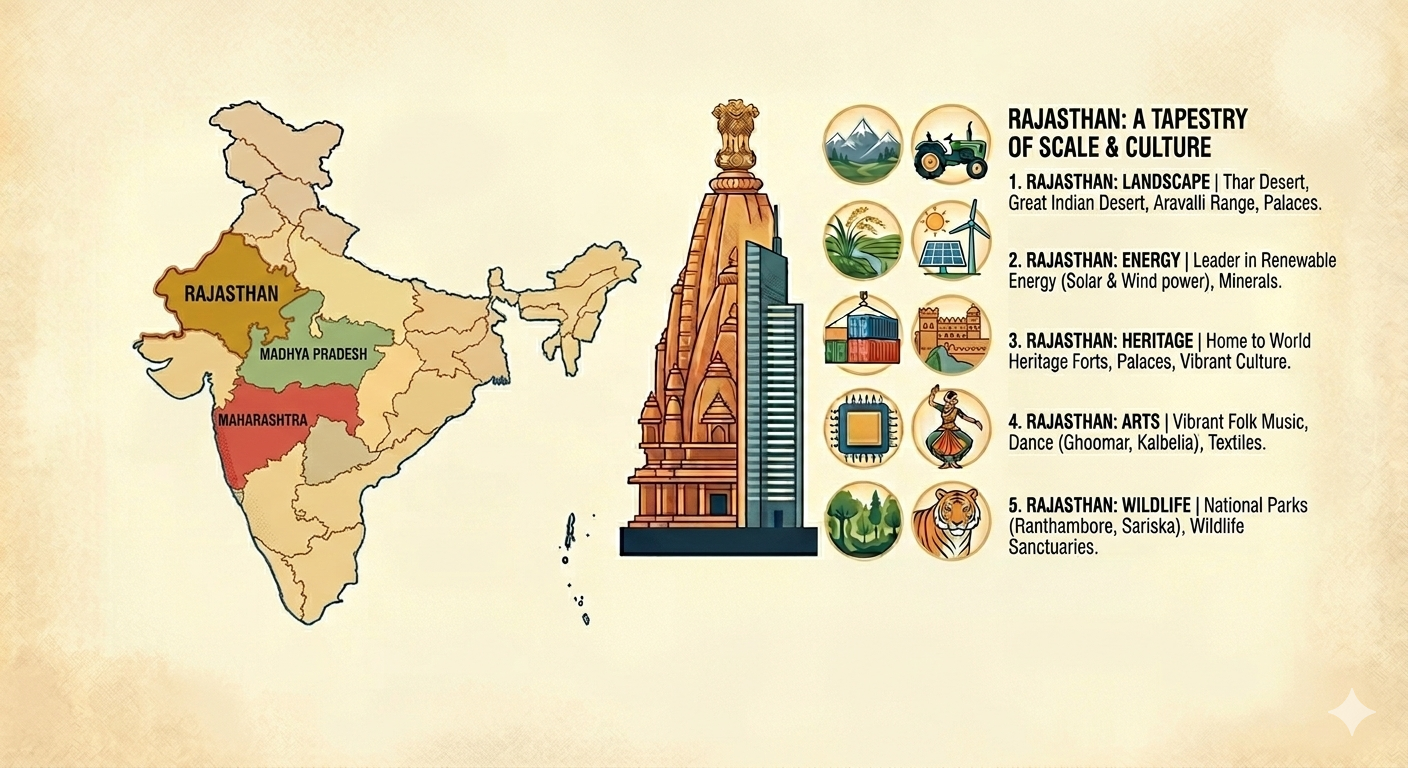
India currently has 28 states and 8 union territories.
States Overview
India’s 28 states operate with their own elected governments and capitals. Key examples include Andhra Pradesh (Amaravati), Arunachal Pradesh (Itanagar), Assam (Dispur), Bihar (Patna), Chhattisgarh (Raipur), Goa (Panaji), Gujarat (Gandhinagar), Haryana (Chandigarh), Himachal Pradesh (Shimla), Jharkhand (Ranchi), Karnataka (Bengaluru), Kerala (Thiruvananthapuram), Madhya Pradesh (Bhopal), Maharashtra (Mumbai), Manipur (Imphal), Meghalaya (Shillong), Mizoram (Aizawl), Nagaland (Kohima), Odisha (Bhubaneswar), Punjab (Chandigarh), Rajasthan (Jaipur), Sikkim (Gangtok), Tamil Nadu (Chennai), Telangana (Hyderabad), Tripura (Agartala), Uttar Pradesh (Lucknow), Uttarakhand (Dehradun), and West Bengal (Kolkata).
Union Territories Overview
The 8 union territories fall under direct central government control, though Delhi and Puducherry have partial state-like assemblies. They include Andaman and Nicobar Islands (Port Blair), Chandigarh (Chandigarh), Dadra & Nagar Haveli and Daman & Diu (Daman), Delhi (New Delhi), Jammu and Kashmir (Srinagar/Jammu), Ladakh (Leh), Lakshadweep (Kavaratti), and Puducherry (Puducherry).
Recent Changes
Jammu and Kashmir split into two union territories in 2019 after Article 370’s revocation. Dadra & Nagar Haveli merged with Daman & Diu in 2020, maintaining the total at 8 UTs.
| Category | Count | Examples |
|---|---|---|
| States | 28 | Bihar, Odisha, Uttar Pradesh |
| Union Territories | 8 | Delhi, Ladakh, Puducherry |