Editorial Team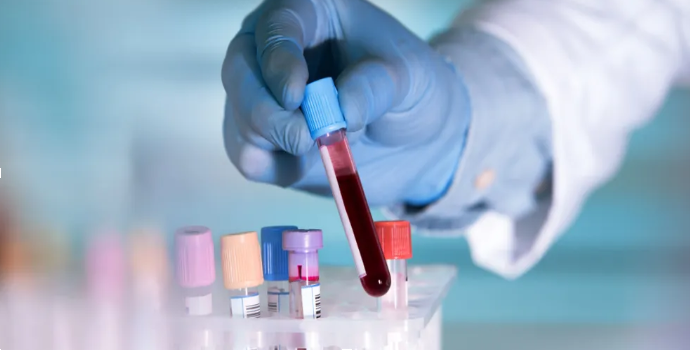
When someone develops an infection, understanding its cause can make a meaningful difference in their care journey. Healthcare professionals rely on a combination of symptoms, clinical assessment, and laboratory tests to build a clear picture of a person’s health. One of the most important tests for identifying bloodstream infections is the blood culture test. It helps detect bacteria, fungi, or other microorganisms that may be present in the blood and provides valuable information for further evaluation. In situations where sepsis is being considered, timely testing can support earlier identification of the infection and help healthcare teams make informed decisions about patient care.
Why Identifying The Cause Of Infection Matters
Sepsis can develop from infections affecting different parts of the body, including the lungs, urinary tract, skin, or digestive system. Since many infections can cause similar symptoms, healthcare professionals often need test results to better understand what is happening inside the body.
Identifying the microorganism involved can guide clinical decision-making and support appropriate patient management. For this reason, a blood culture test is commonly requested when a bloodstream infection is suspected.
What Is A Blood Culture Test?
A blood culture test is a laboratory test that checks for the presence of bacteria, fungi, or other microorganisms in the bloodstream. During the test, a blood sample is placed in special culture bottles that encourage microorganisms to grow if present. Laboratory specialists then monitor the samples for signs of microbial growth.
Blood cultures are used as standard tests for identifying microorganisms responsible for bloodstream infections. The test can help determine:
- Whether microorganisms are present in the blood
- Which microorganism may be causing the infection
- Whether additional testing is required
- How healthcare professionals can better understand the source of infection
When Might A Blood Culture Test Be Recommended?
Healthcare professionals may request a blood culture test when symptoms suggest a possible bloodstream infection. Some examples include:
- Fever
- Chills
- Increased heart rate
- Low blood pressure
- Symptoms associated with a serious infection
These symptoms can occur in many different conditions and do not automatically indicate sepsis. Therefore, laboratory investigations and clinical assessment are used together to understand the underlying cause.
What Happens During The Test?
The procedure is simple and is usually completed within a few minutes. A healthcare professional first cleans the skin carefully with an antiseptic solution to reduce the chance of contamination from microorganisms that naturally live on the skin.
A blood sample is then collected and sent to the laboratory. In some situations, more than one sample may be taken from different sites. This can improve the accuracy of the results because certain microorganisms may not always be detected in a single sample.
What Blood Culture Test Results Mean
Waiting for test results can sometimes feel stressful. However, understanding what the results mean can make the process easier to follow. A blood culture test may show one of the following outcomes:
| Result | What It Means |
| No growth detected | No microorganisms were identified during the testing period |
| Positive culture | Microorganisms such as bacteria or fungi were detected in the sample |
| Contaminated sample | The sample may have been affected by microorganisms introduced during collection |
A positive culture helps laboratory teams identify the specific organism present. Healthcare professionals do not interpret blood culture results in isolation. They consider symptoms, medical history, physical examination findings, and other investigations before reaching clinical conclusions.
Why Does Timing Make Such A Difference?
When sepsis is suspected, timing becomes especially important. Clinical microbiology guidance recommends collecting blood cultures before antibiotic treatment begins whenever possible. This increases the likelihood of identifying the microorganism responsible for the infection.
Early testing can provide information that helps healthcare teams:
- Confirm whether a bloodstream infection may be present
- Identify the causative organism
- Support more targeted clinical decisions
- Reduce uncertainty during diagnosis
Although blood cultures are an important tool, the timing of tests and treatment decisions should always be determined by qualified healthcare professionals.
How Blood Culture Testing Supports Overall Patient Care
A blood culture test is only one part of a broader clinical assessment, but it provides information that can be highly valuable when evaluating suspected sepsis. Healthcare professionals may combine blood culture findings with other investigations, including:
- Complete blood count (CBC)
- C-reactive protein (CRP) testing
- Kidney function tests
- Liver function tests
- Imaging studies were appropriate
Together, these tests help create a more complete picture of a patient’s condition. Reliable laboratory services also play an important role in supporting accurate and timely testing. Across India, diagnostic providers such as Lupin Diagnostics offer a wide range of pathology services designed to support informed healthcare decisions through quality-focused testing.
Conclusion
When sepsis is suspected, obtaining accurate information quickly can help healthcare teams make informed decisions. A blood culture test plays an important role in identifying microorganisms in the bloodstream and providing valuable insights into the source of infection. While the test is only one part of the diagnostic process, its findings can contribute significantly to the overall clinical picture. If your healthcare professional has recommended a blood culture test or other pathology investigations, consider choosing a trusted diagnostic provider such as Lupin Diagnostics, which offers quality-focused testing services along with informative health resources.