Editorial Team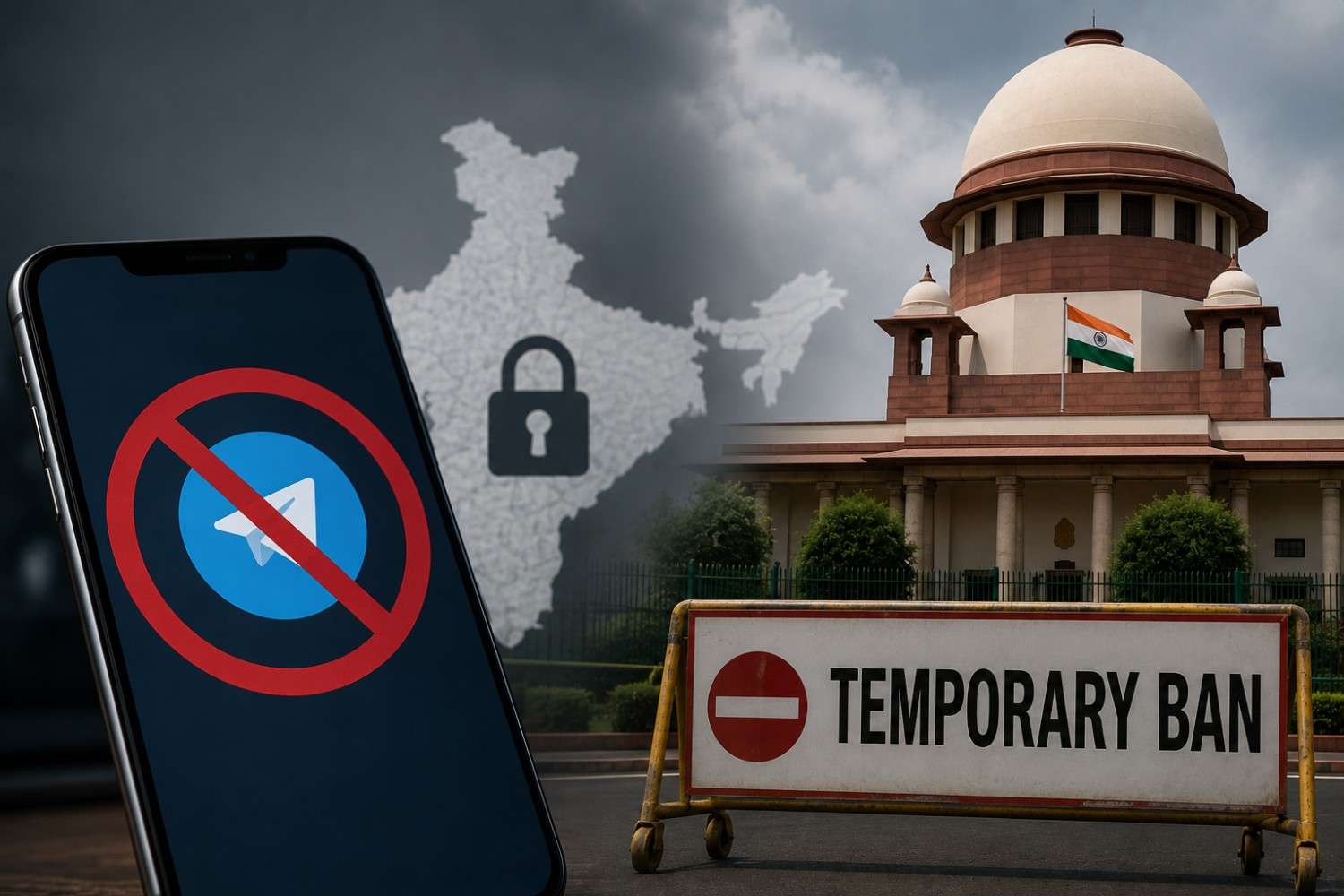
NEW DELHI — The Government of India has issued an emergency order blocking the messaging platform Telegram nationwide. The temporary ban, effective under Section 69A of the IT Act, runs until June 22, 2026.
The move comes at the request of the National Testing Agency (NTA) to secure the high-stakes NEET-UG medical re-examination scheduled for Sunday, June 21, following widespread paper-leak scandals earlier this year.
Cracking the “Timestamp Scam”
Authorities revealed that fraud syndicates were exploiting Telegram’s architecture to extort massive sums from desperate students and parents. Scammers would post a blank file before the test, wait for the actual exam questions to become public, and then use Telegram’s edit feature to swap in the real test paper. Because the platform preserves the original pre-exam timestamp, it created a perfect optical illusion of a legitimate leak, sparking massive public panic.
To shut down this loop, the IT Ministry issued a two-pronged directive:
- App Access Block (Until June 22): Shuts down live digital black markets over the critical exam weekend.
- Message-Editing Feature Disabled (Until June 30): Prevents scammers from creating retroactive “evidence” of leaks after the test concludes.
Pushback and Backlash
The decision has faced sharp criticism. Telegram founder Pavel Durov condemned the block on X, stating it unfairly punishes over 150 million ordinary Indian users while “the leaks just moved to other apps.” Digital rights groups also called it an ineffective, “band-aid solution” that disrupts daily communication and small businesses.
The NTA acknowledged the widespread inconvenience but maintained the restriction was a “measure of last resort” to protect the hard work of over 22 lakh honest medical aspirants. App functionality is expected to return to normal immediately after the deadlines expire.


 Akki Yadav