Editorial Team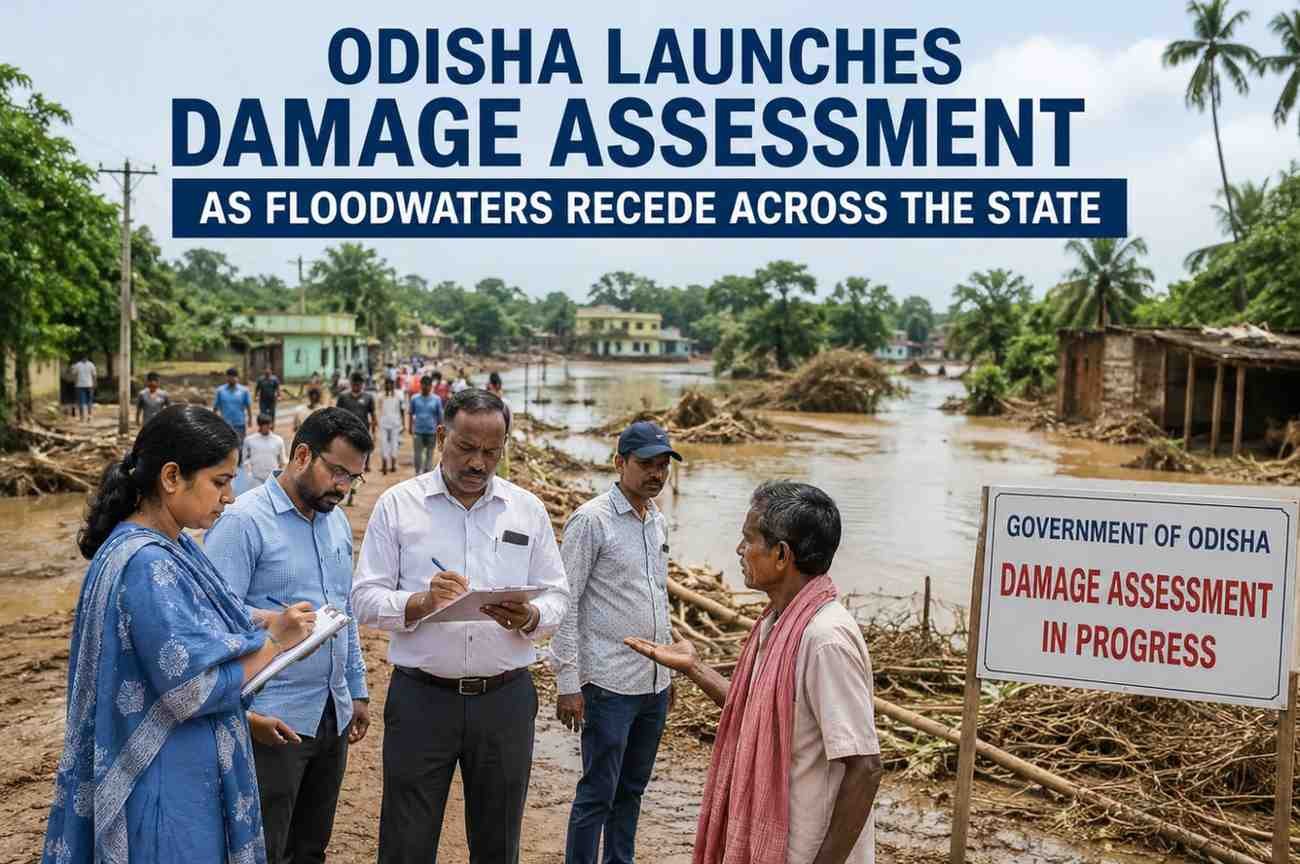
Bhubaneswar: As floodwaters continue to recede across Odisha, the state government has shifted its focus from rescue and relief operations to damage assessment and restoration in the affected areas.
Revenue and Disaster Management Minister Suresh Pujari said the flood situation has improved significantly after more than eight lakh people across 22 districts were affected by the deluge.
The worst-hit districts include Balasore, Bhadrak and Jajpur, while parts of Puri, Jagatsinghpur, Khurda and Cuttack also experienced severe flooding following heavy rainfall.
The government has begun assessing damage to houses, crops and public infrastructure. Teams from the Revenue and Agriculture departments have been deployed to conduct field surveys, and district authorities have been directed to submit detailed reports on crop losses, particularly in the vegetable sector.
Authorities are also evaluating damage to schools and Anganwadi centres. Financial assistance for repair and restoration will be provided based on the assessment reports.
To prevent outbreaks of waterborne diseases, the Panchayati Raj, Health, and Housing & Urban Development departments have launched disinfection drives in flood-affected areas. The Water Resources Department has also been instructed to repair breached embankments on priority.
Chief Minister Mohan Charan Majhi has directed ministers to visit the affected districts and oversee restoration work on the ground.
Meanwhile, Water Resources Department Engineer-in-Chief Dillip Kumar Rout said there is currently no flood threat from the Mahanadi or any other major river. He attributed the recent flooding to an unusual rainfall pattern, with several areas receiving more than 200 mm of rain within a short span.
Rout said Odisha recorded 47 per cent below-normal rainfall in June, prompting authorities to retain water in reservoirs in anticipation of a weak monsoon. However, the state received 38 per cent above-normal rainfall in July, triggering a rapid rise in river levels.
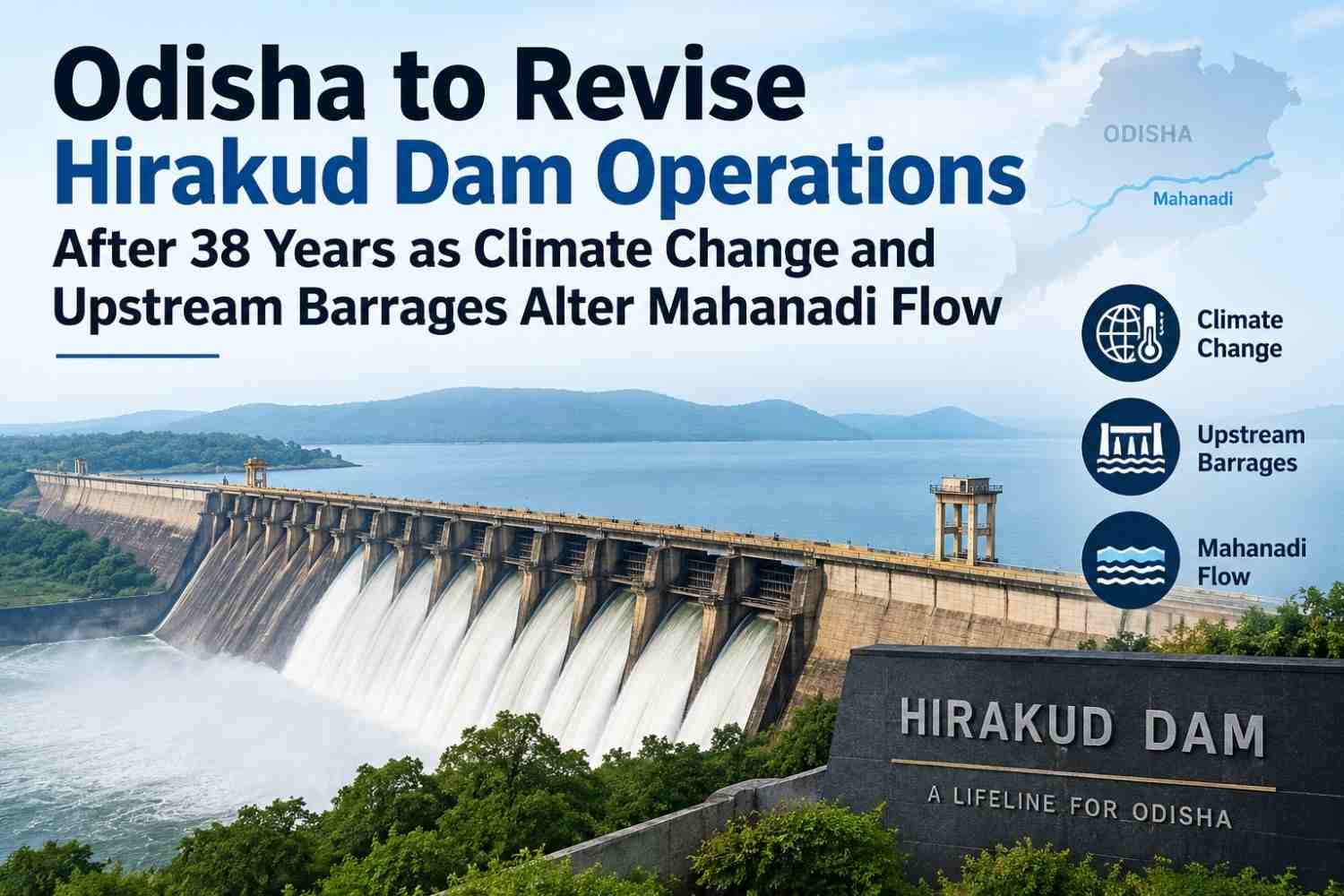
He added that while the Mahanadi river system is equipped with flood-control infrastructure, the Baitarani River lacks similar mechanisms, making areas along its basin more vulnerable during episodes of intense rainfall.

 Akki Yadav